1. Primary Research
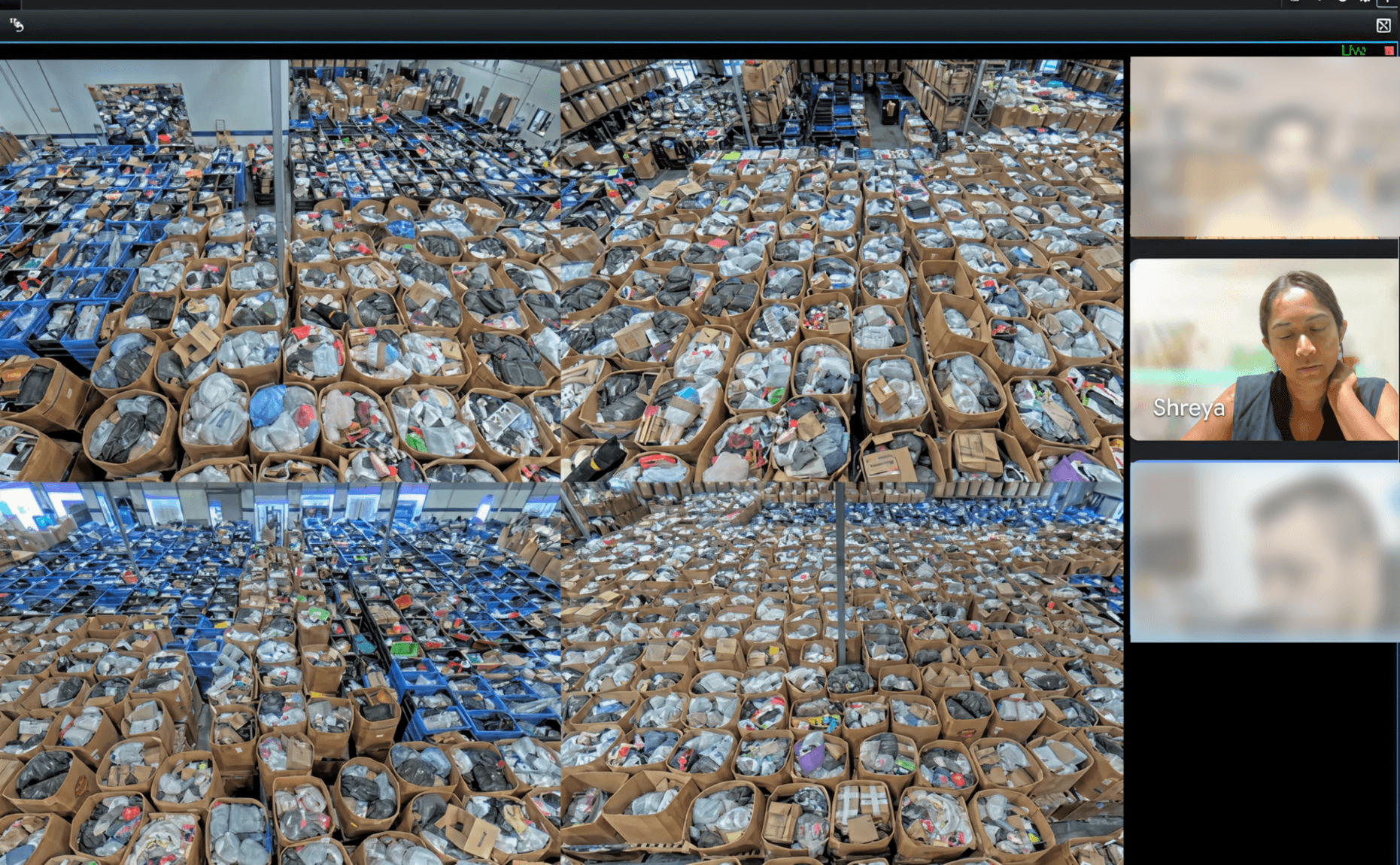
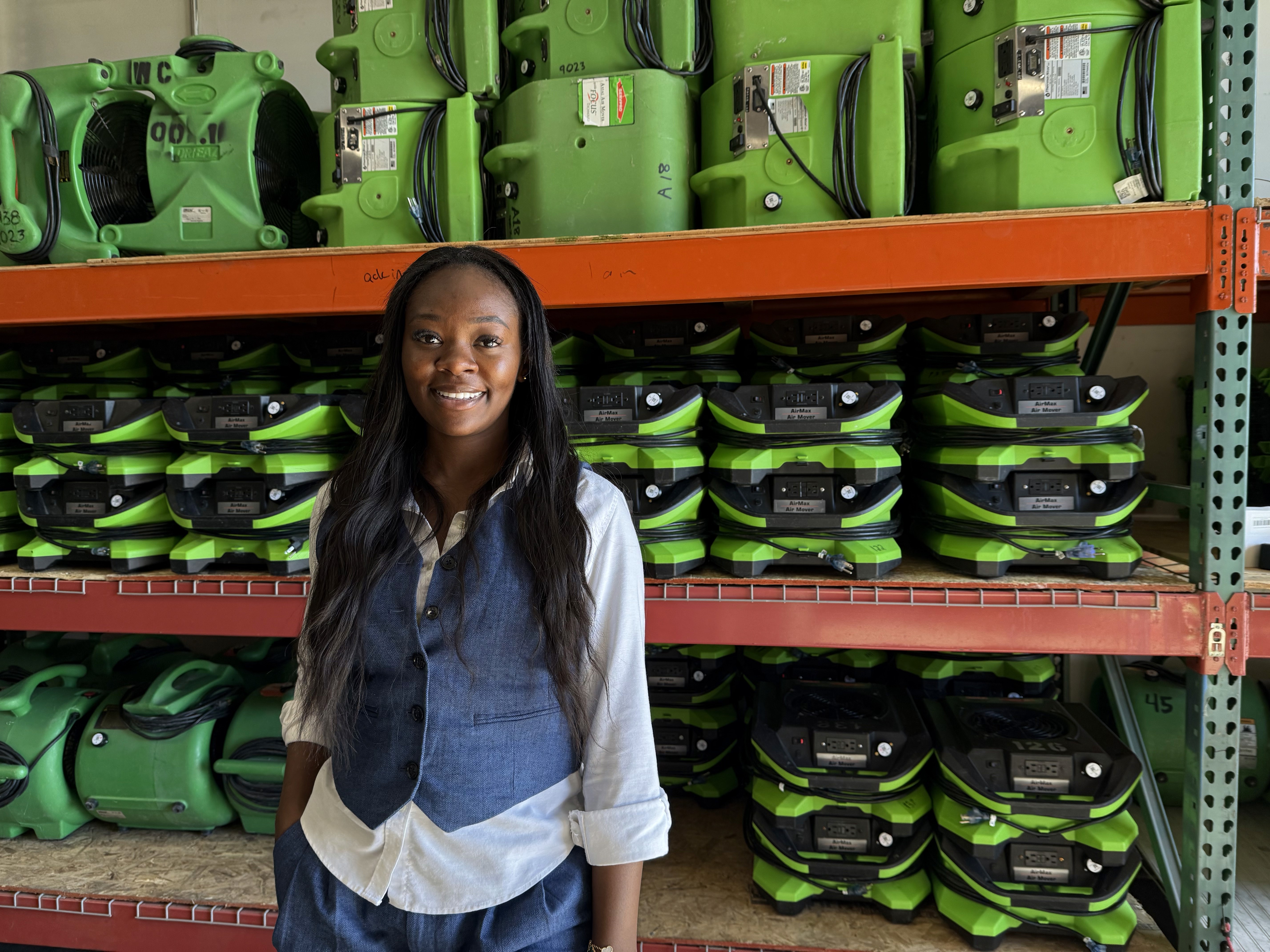
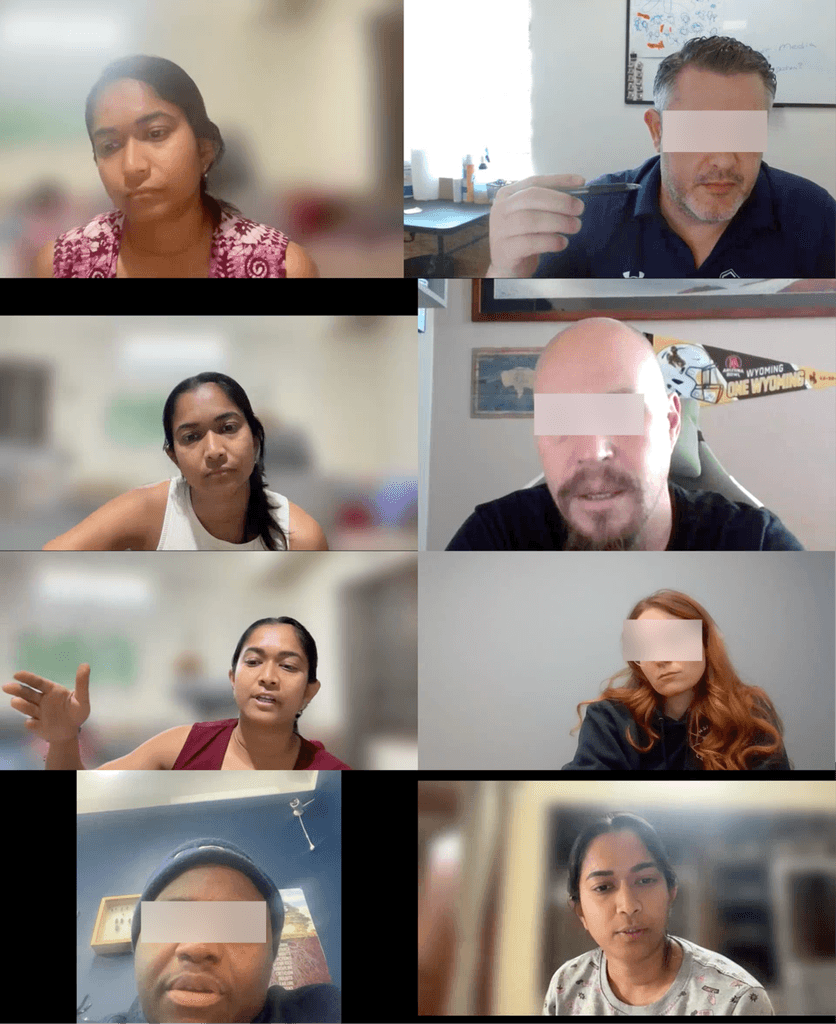
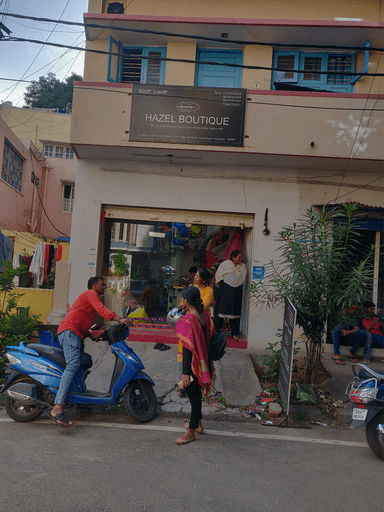
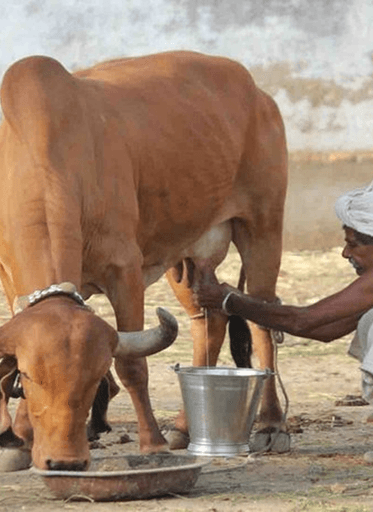
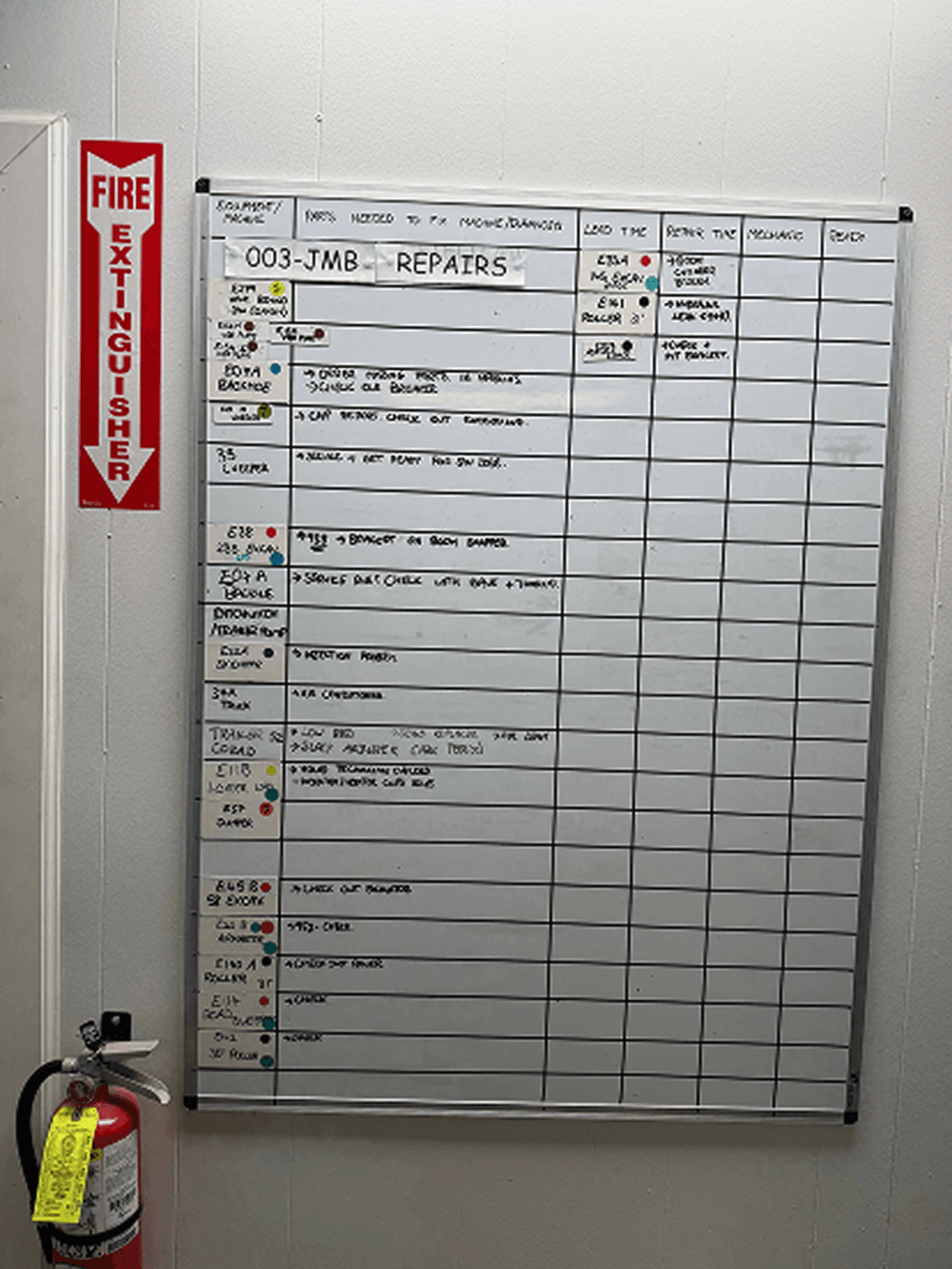
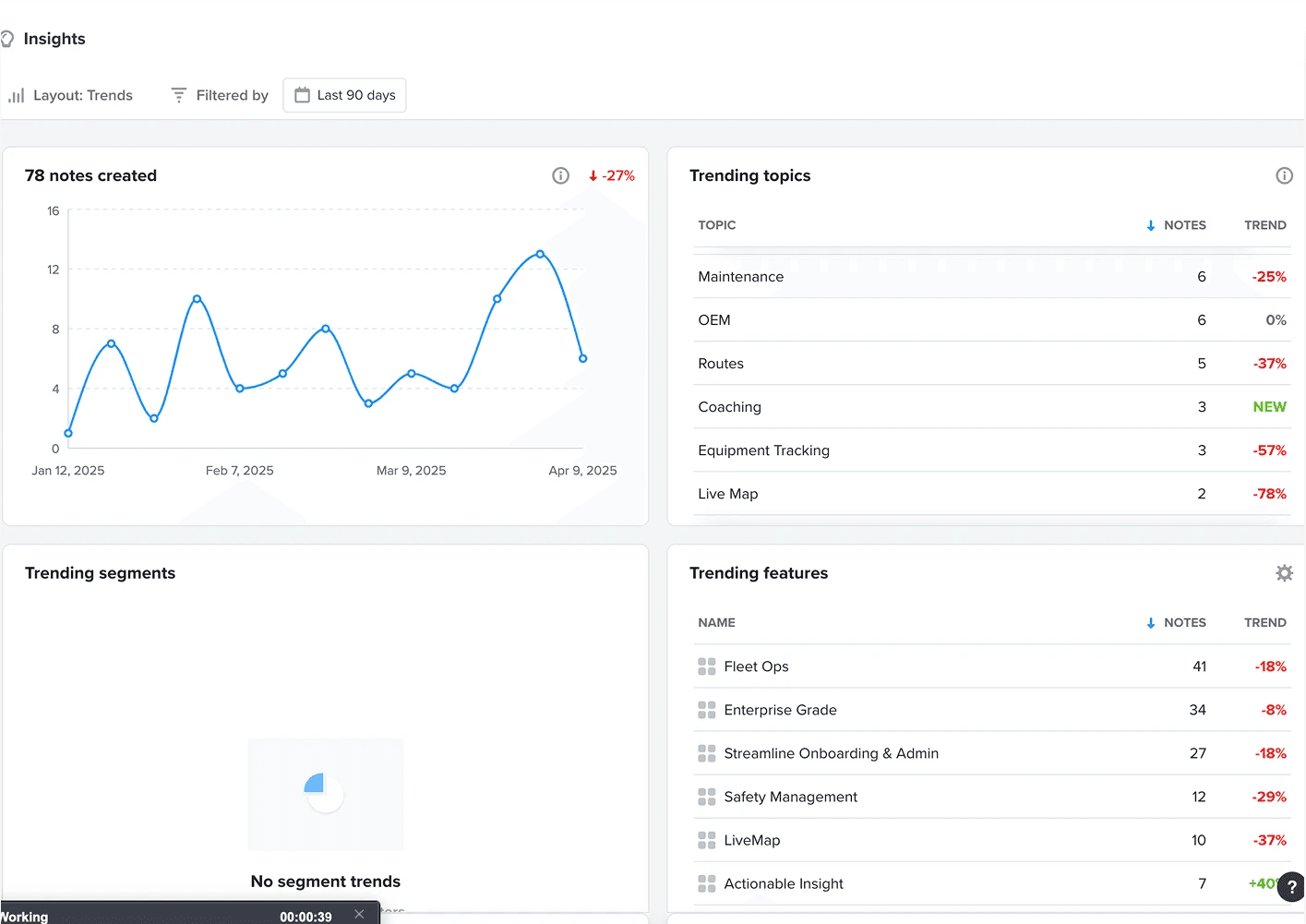
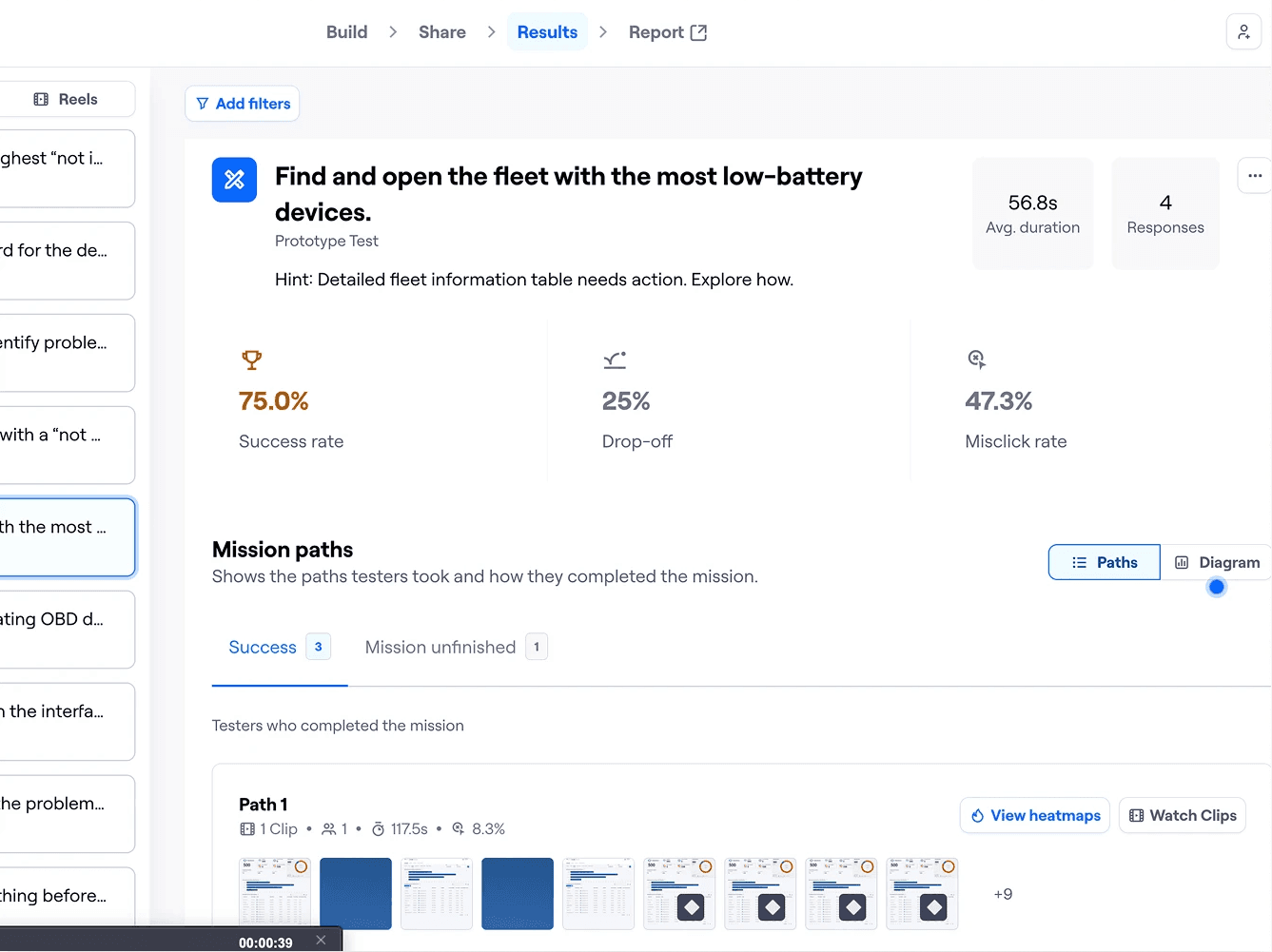
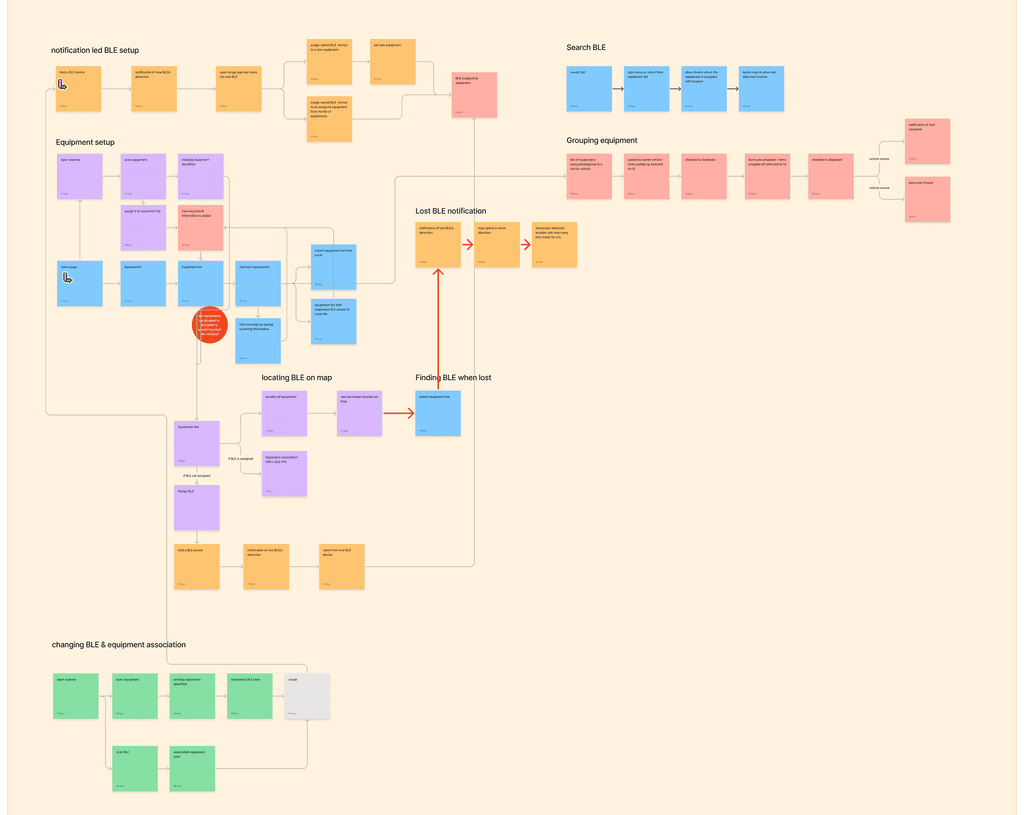
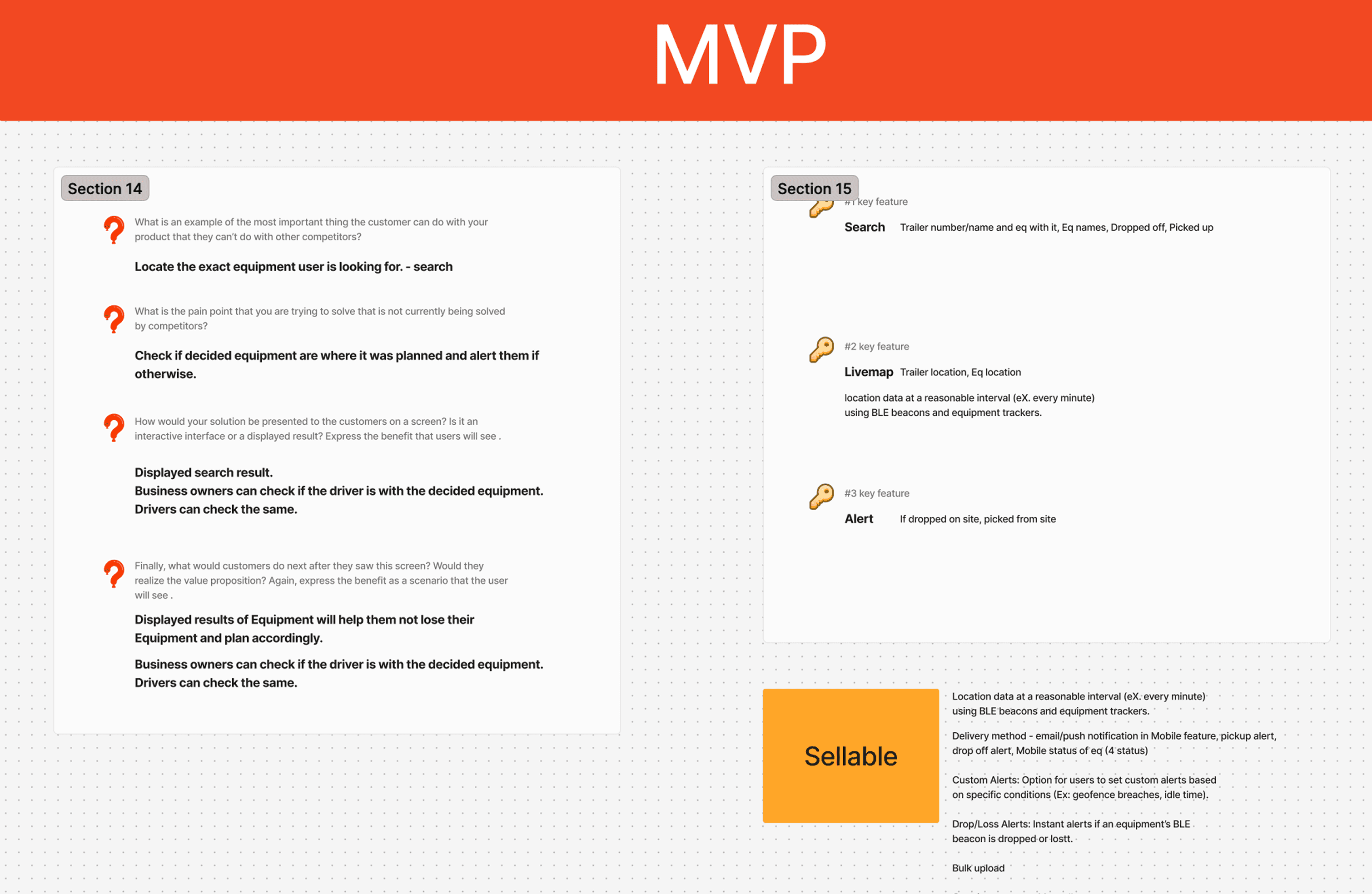
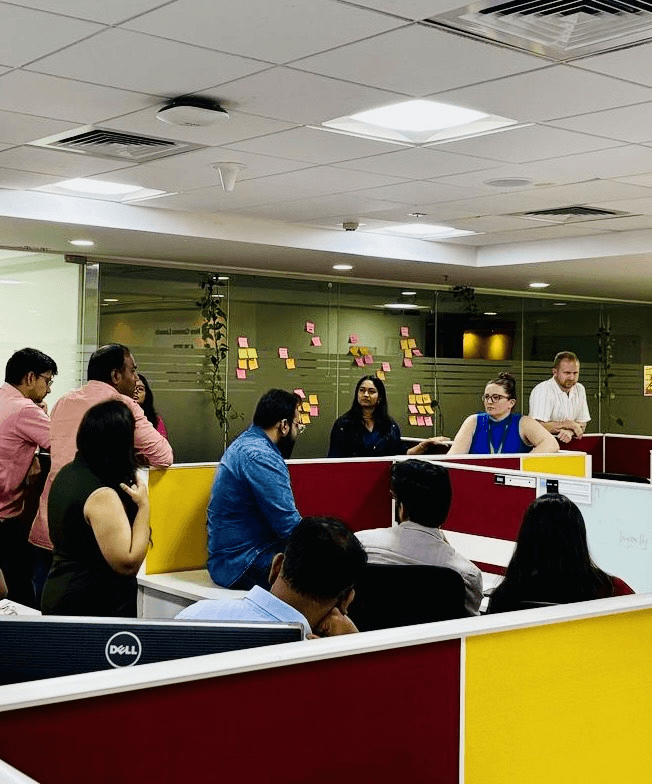
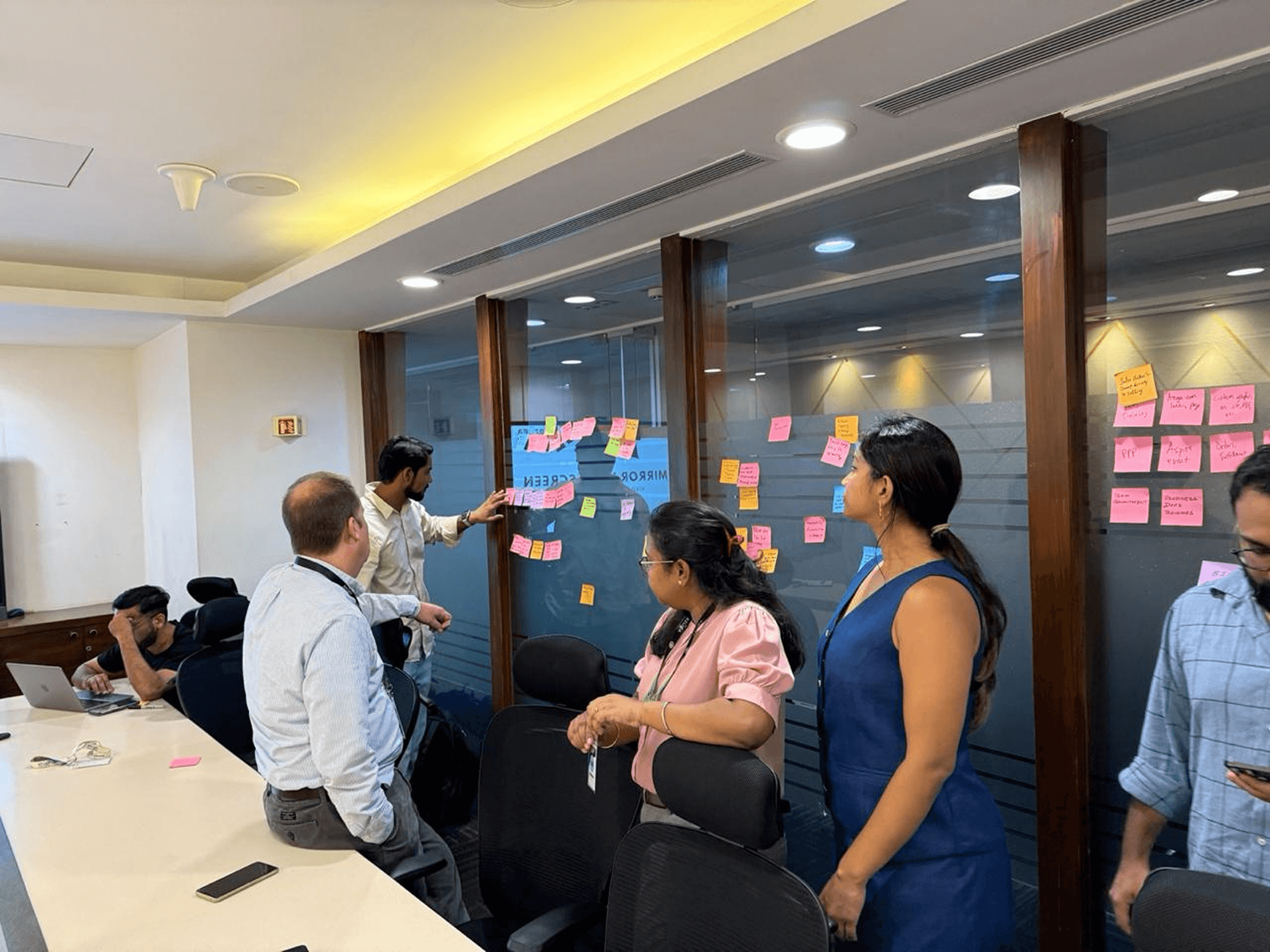
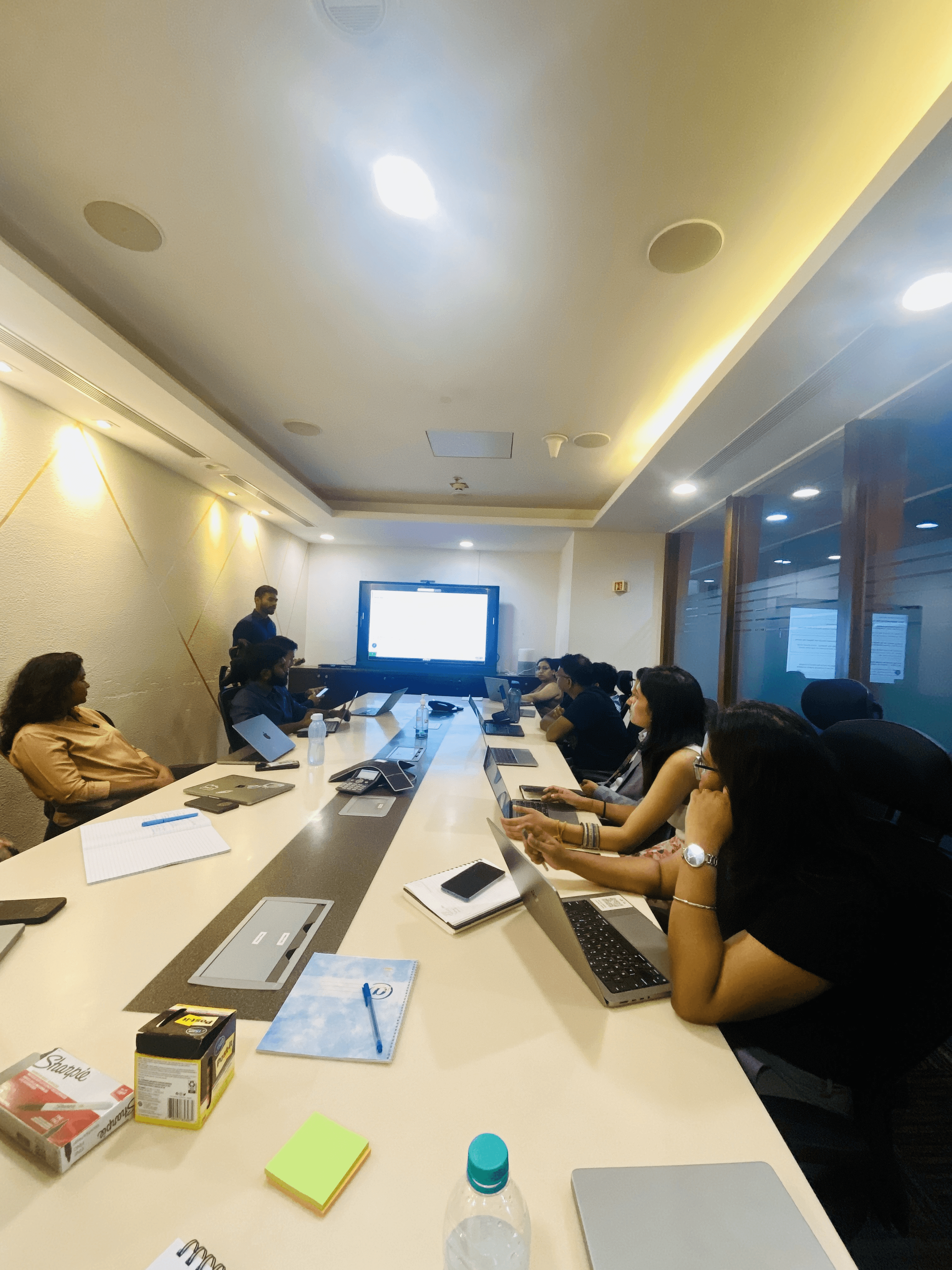
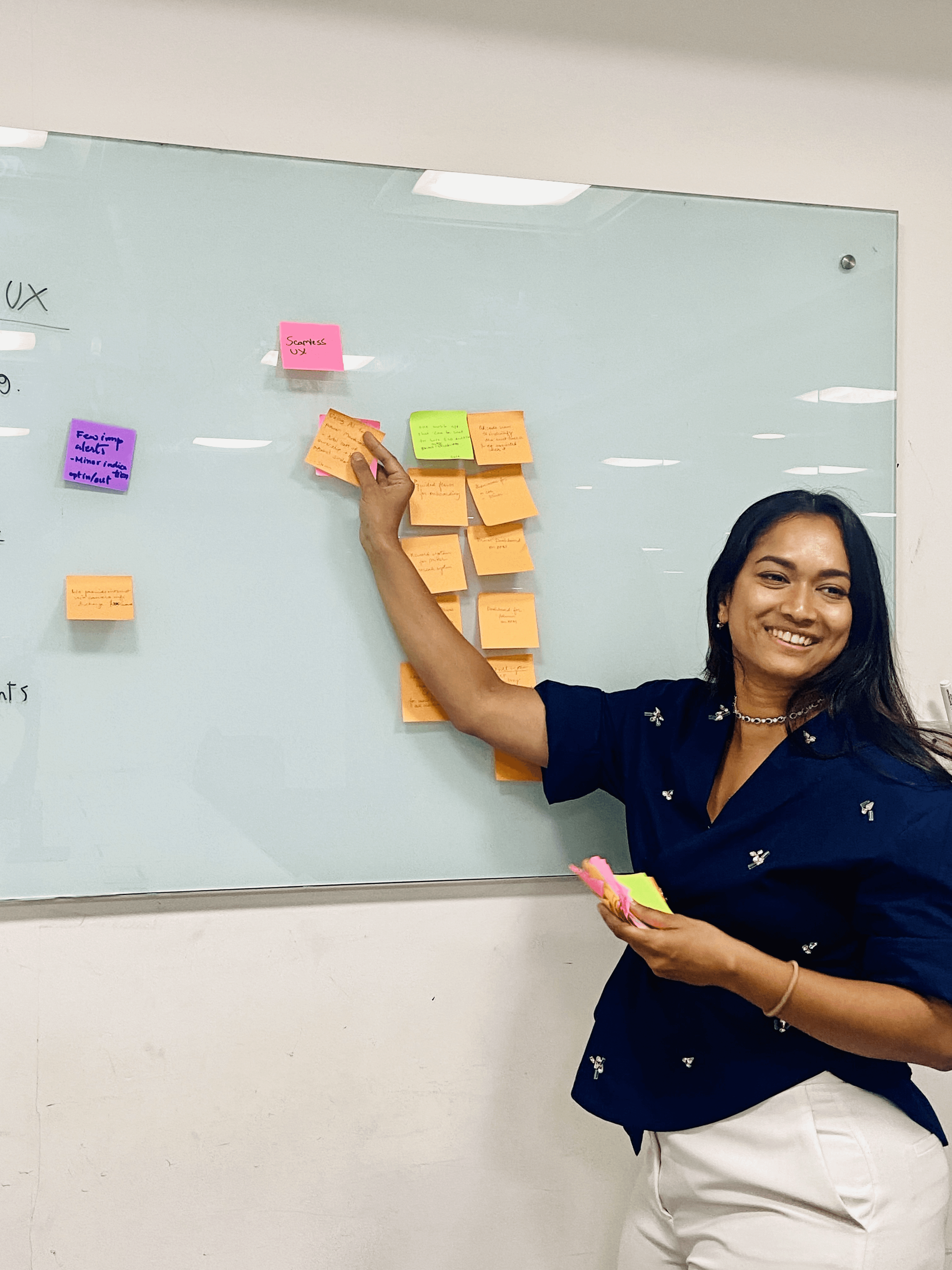
With a background in Human-Centered Design, one of the first things I learned was the power of primary research interviews, contextual inquiry, and truly understanding users beyond what they say. Over time, I’ve realised that the problem we are asked to solve is rarely the real problem. I don’t take requirements at face value; I challenge assumptions, dig deeper, and uncover insights that shift the conversation from ‘what needs to be built’ to ‘what needs to be solved.’ This process isn’t just about gathering data, it’s about revealing blind spots, reframing challenges, and making sure we focus on what truly matters.
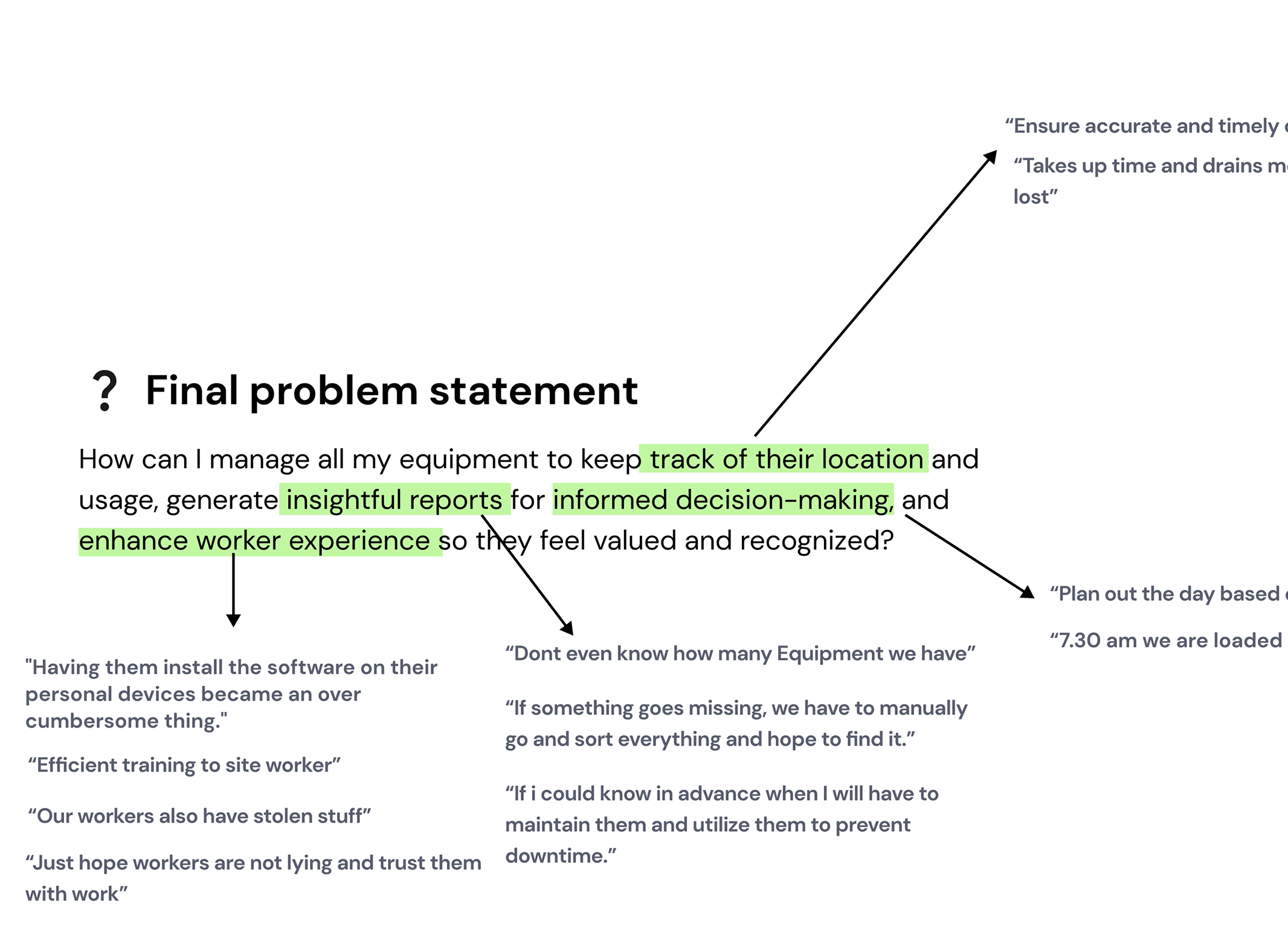
I love the process of discovering the real problem statement, it gives me purpose, and more importantly, it gives the team clarity and direction. When we understand the core issue, every design decision becomes more intentional, and the impact becomes more meaningful. I talk to potential users and current customers to uncover what will actually make their lives better, not just what fits within a given requirement. By pushing beyond the obvious and questioning the status quo, I ensure that the solutions we create don’t just check a box but drive real, measurable improvements in people’s experiences.